Design therapy: why I diagnose before designing
Most designers start solving before understanding the problem. I learned to do the opposite. I call that design therapy.
Process
1. THE PROBLEM WITH DESIGNING FAST
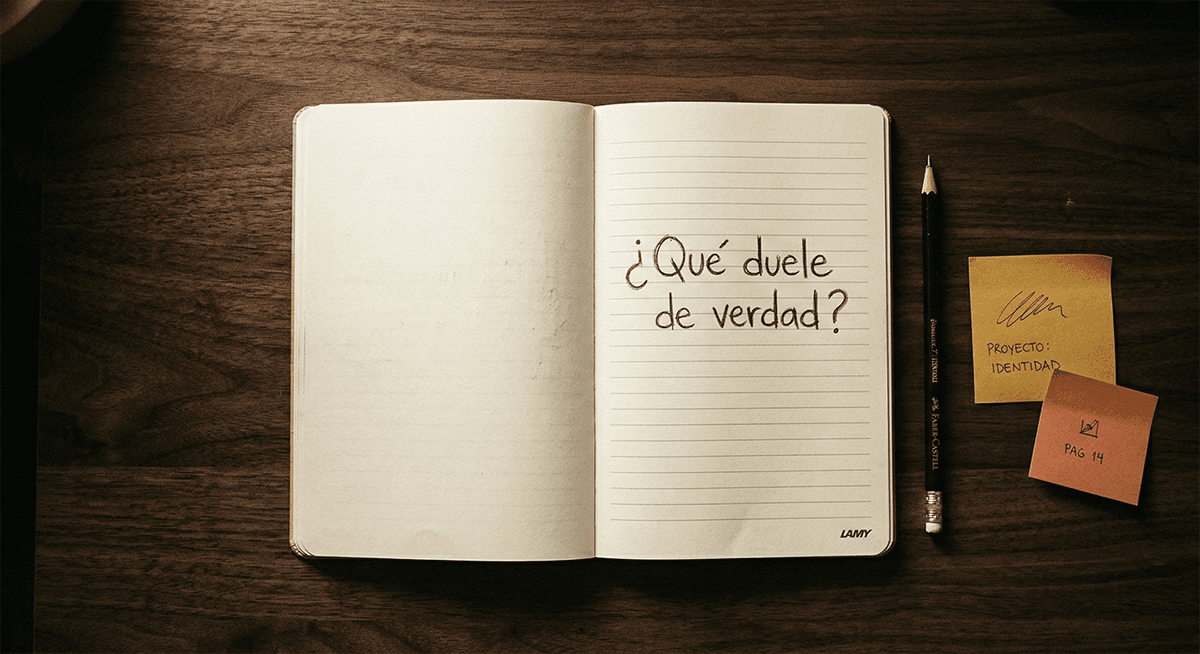
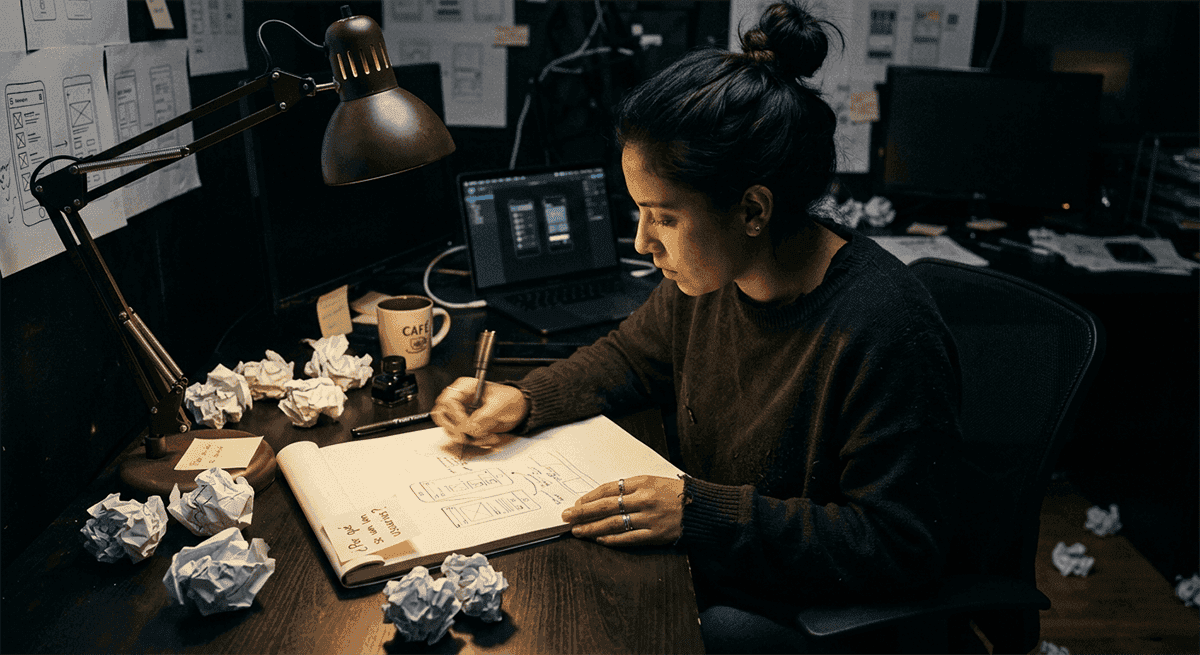
Designing fast feels productive: you have references, you start moving ideas, you sketch out flows, you mock up screens. But there’s a problem… if you didn’t understand what really hurts, you’re decorating the symptom, not treating the disease.
I saw it happen many times. Teams that redesigned the onboarding screen because people were leaving, but the real problem was three steps earlier, in how they communicated the product’s value.
2. WHAT DESIGN THERAPY IS
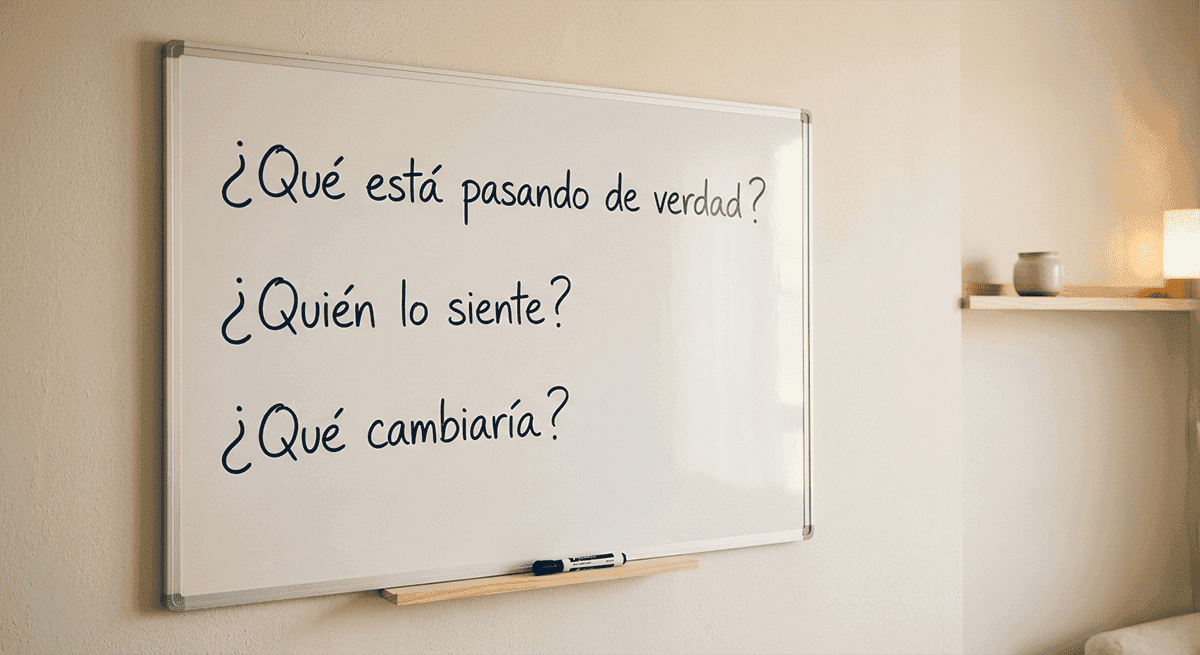
Design therapy is not a formal method. It is an attitude toward the problem, before proposing any solution, a screen, a flow, a service blueprint, a strategy, I ask myself three questions:
— What is really happening?
— Who feels it and how do they feel it?
— What would change if this worked well?
Only when I have clear answers do I start designing.
3. HOW I APPLY IT IN EACH PROJECT
The process varies depending on the project; sometimes it's a user flow, other times it's a full service design. Sometimes they are screens, but it always starts the same: I LISTEN. A call, a metrics review, conversations with real users, not to have everything solved but to know where it hurts.
4. WHY IT WORKS
When you design from the real problem, decisions become easier to defend. You're not justifying visual preferences; you're responding to a concrete need. And that changes the conversation with stakeholders, with devs, with the client.
The projects where I applied this ended with fewer rounds of review and more measurable impact.


5. HOW TO START APPLYING IT
You don't need to change your whole process. Just add one question before starting any deliverable: am I sure I understand the problem?
If the answer is no, that's the first thing to work on.

More to discover


Design therapy: why I diagnose before designing
Most designers start solving before understanding the problem. I learned to do the opposite. I call that design therapy.
Process
1. THE PROBLEM WITH DESIGNING FAST
Designing fast feels productive: you have references, you start moving ideas, you sketch out flows, you mock up screens. But there’s a problem… if you didn’t understand what really hurts, you’re decorating the symptom, not treating the disease.
I saw it happen many times. Teams that redesigned the onboarding screen because people were leaving, but the real problem was three steps earlier, in how they communicated the product’s value.
2. WHAT DESIGN THERAPY IS
Design therapy is not a formal method. It is an attitude toward the problem, before proposing any solution, a screen, a flow, a service blueprint, a strategy, I ask myself three questions:
— What is really happening?
— Who feels it and how do they feel it?
— What would change if this worked well?
Only when I have clear answers do I start designing.
3. HOW I APPLY IT IN EACH PROJECT
The process varies depending on the project; sometimes it's a user flow, other times it's a full service design. Sometimes they are screens, but it always starts the same: I LISTEN. A call, a metrics review, conversations with real users, not to have everything solved but to know where it hurts.
4. WHY IT WORKS
When you design from the real problem, decisions become easier to defend. You're not justifying visual preferences; you're responding to a concrete need. And that changes the conversation with stakeholders, with devs, with the client.
The projects where I applied this ended with fewer rounds of review and more measurable impact.
5. HOW TO START APPLYING IT
You don't need to change your whole process. Just add one question before starting any deliverable: am I sure I understand the problem?
If the answer is no, that's the first thing to work on.
More to discover
Design therapy: why I diagnose before designing
Most designers start solving before understanding the problem. I learned to do the opposite. I call that design therapy.
Process
1. THE PROBLEM WITH DESIGNING FAST
Designing fast feels productive: you have references, you start moving ideas, you sketch out flows, you mock up screens. But there’s a problem… if you didn’t understand what really hurts, you’re decorating the symptom, not treating the disease.
I saw it happen many times. Teams that redesigned the onboarding screen because people were leaving, but the real problem was three steps earlier, in how they communicated the product’s value.
2. WHAT DESIGN THERAPY IS
Design therapy is not a formal method. It is an attitude toward the problem, before proposing any solution, a screen, a flow, a service blueprint, a strategy, I ask myself three questions:
— What is really happening?
— Who feels it and how do they feel it?
— What would change if this worked well?
Only when I have clear answers do I start designing.
3. HOW I APPLY IT IN EACH PROJECT
The process varies depending on the project; sometimes it's a user flow, other times it's a full service design. Sometimes they are screens, but it always starts the same: I LISTEN. A call, a metrics review, conversations with real users, not to have everything solved but to know where it hurts.
4. WHY IT WORKS
When you design from the real problem, decisions become easier to defend. You're not justifying visual preferences; you're responding to a concrete need. And that changes the conversation with stakeholders, with devs, with the client.
The projects where I applied this ended with fewer rounds of review and more measurable impact.
5. HOW TO START APPLYING IT
You don't need to change your whole process. Just add one question before starting any deliverable: am I sure I understand the problem?
If the answer is no, that's the first thing to work on.